Cape Coral Boat Ramps for Fishing: Horton Park, Rosen Park and Burnt Store
Cape Coral runs boat ramps at Horton Park, Rosen Park, Burnt Store and a fourth site (BMX), and all of them use the same paid trailer-parking program. Launch, fish the canal system or run out to Matlacha Pass and Charlotte Harbor, and expect to pay for the tow-vehicle parking spot, not the boat itself.
Horton Park, Rosen Park and Burnt Store
The city lists four improved boat ramp locations under its parking program: Horton Park Boat Ramp, Rosen Park Boat Ramp, Burnt Store Boat Ramp and BMX Boat Ramp, each assigned its own parking zone number for payment. The city’s parks and recreation department maintains more than 39 locations across roughly 1,595 acres citywide, boat ramps among them, but individual hours, addresses and ramp-lane counts for each site aren’t broken out on the page fetched for this guide. Check the park page for current hours before you load the boat.
What the parking actually costs
Cape Coral charges boaters to park a tow vehicle and trailer at its improved ramps, not to launch. The fee is $15 per day, paid through the Passport Parking app or by calling in, and you enter your tow vehicle’s license plate (not the trailer’s) along with the zone number for the ramp you’re using. Residents and regulars can skip the daily fee with an annual decal for $75 plus tax, or a two-year pass for $150 plus tax. Get the zone number wrong and the payment won’t register for your ramp, so double-check it against the signage at Horton, Rosen or Burnt Store before you pay.
For anything the city page doesn’t spell out on a given day, the Parks and Recreation office and Marine Services line (239-573-3128 and 239-424-9459) are the way to confirm it rather than guessing.
What to fish once you’re out
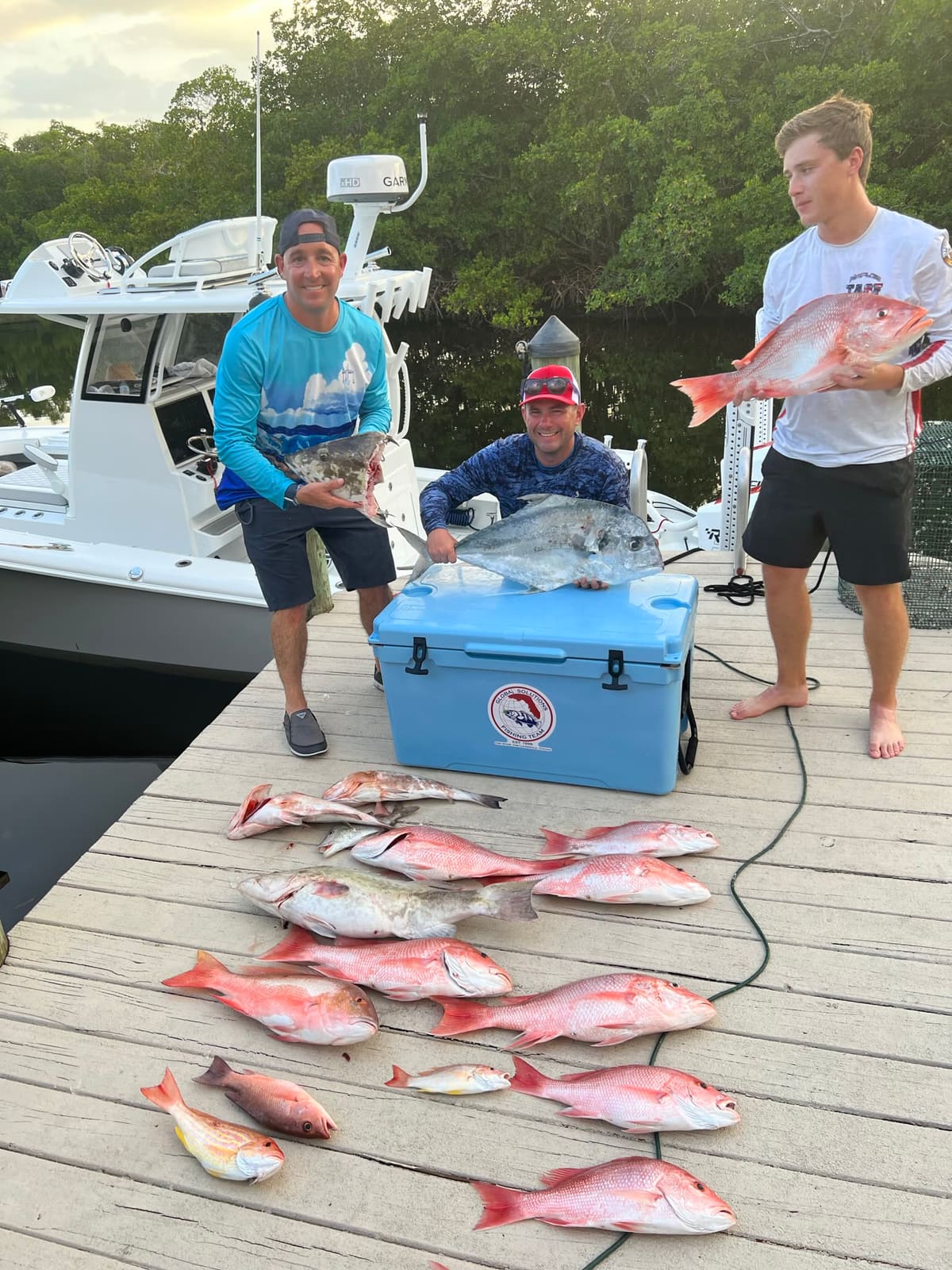
Cape Coral sits on hundreds of miles of residential canal, all of it connecting to the Caloosahatchee River and, from there, to Matlacha Pass and San Carlos Bay. Snook and redfish hold on seawalls and dock pilings inside the canal system year-round, with mangrove snapper stacked on almost any dock light after dark. Running out toward Matlacha Pass or the river mouth opens up trout and better numbers of snook on a moving tide. If you don’t own a boat, Cape Coral’s canals are also fishable from public rights-of-way; our Cape Coral canal fishing guide covers where that access actually exists. For species-specific tackle, see our snook and redfish guides.
Picking a launch when the wind is up
Cape Coral’s canal system gives you a protected option when the Caloosahatchee or Matlacha Pass is blown out. Launching at any of the four ramps and staying inside the canals means calm water even on a windy afternoon, since the seawalls block most of the chop that makes open water miserable to fish. Save the run out to the river mouth or Matlacha Pass for a calmer day, and use a rough one to work the canal system close to whichever ramp you launched from instead of forcing a longer run you don’t need to make.
Early morning and late afternoon are the two windows worth planning around regardless of which ramp you use. Snook and redfish feed more actively at low light, and the boat traffic on a Saturday afternoon in the canal system is enough on its own to push fish off an active bite. A weekday launch, or an early one, buys you quieter water at Horton, Rosen or Burnt Store alike.
Before you go
A Florida saltwater fishing license is required to fish from a boat in these waters just as it is from shore, with the same age and residency exemptions applying either way. Our fishing license guide covers what you need, and the regulations page has current season and size limits for snook, redfish and everything else you’re likely to pull out of the canal system or Matlacha Pass. Confirm ramp hours and the parking zone number before you go; both are the kind of detail that changes without much warning.