Cape Coral Canal Fishing Setup: Rods, Line and Bait for Salt and Fresh Canals
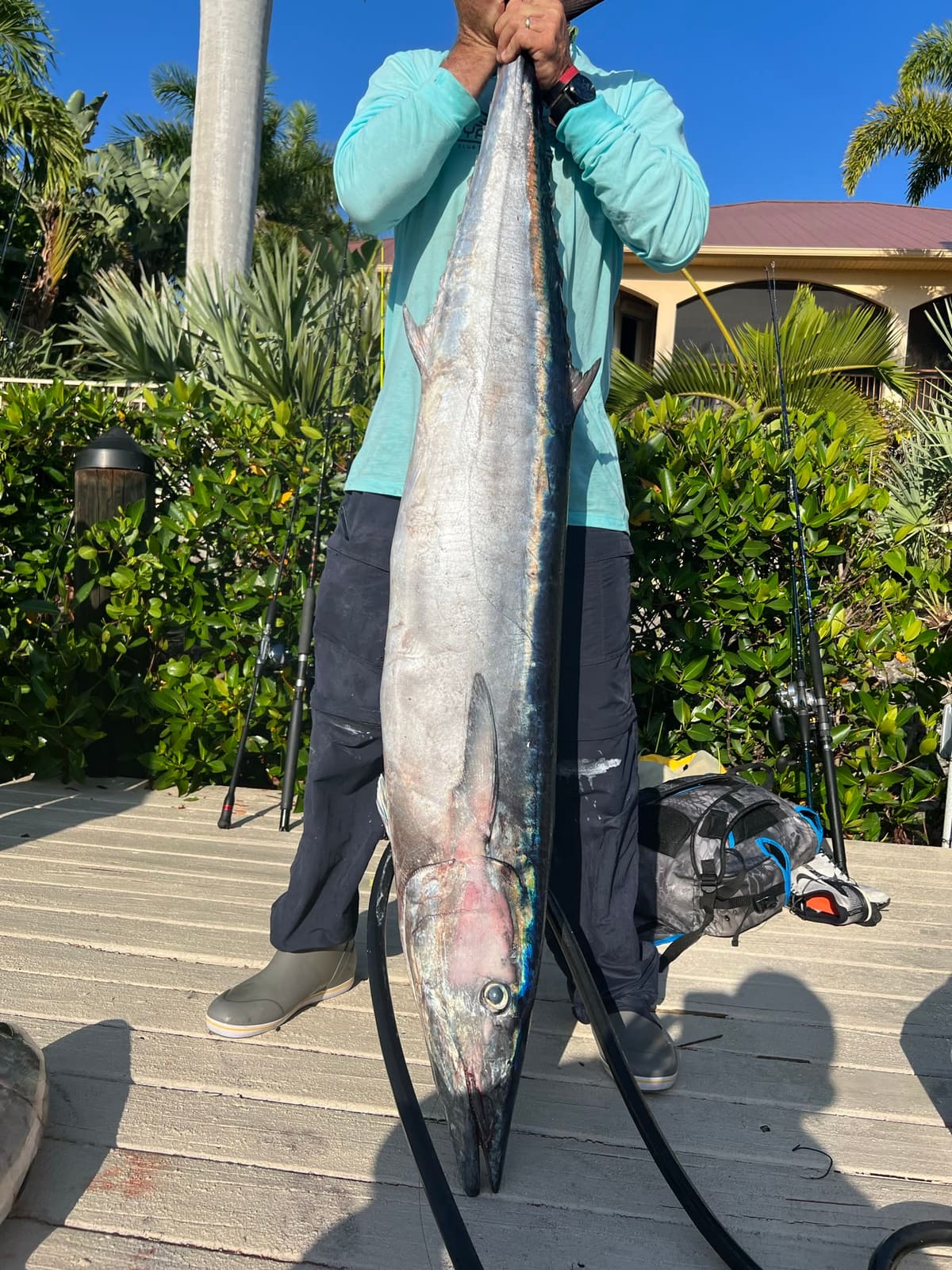
Cape Coral’s canal system splits into two setups worth keeping separate: light-to-medium spinning gear with 10 to 20 pound line for the tidal saltwater canals, and lighter spinning tackle for the landlocked freshwater side. The bait and knots differ less than the license does, and knowing which canal you’re standing over decides both.
One rod covers most of it
A 7 foot medium-light to medium spinning rod paired with a 2500 to 3000 size reel handles the large majority of canal fishing in Cape Coral, salt or fresh. The casts here are usually short, dock to dock or across a narrow canal, and the fight rarely involves long runs, so there’s little reason to size up beyond what covers snook and redfish comfortably on the saltwater side.
Line and leader for the saltwater canals
Saltwater canals connect to the Caloosahatchee River and the Gulf and hold snook, redfish, tarpon, jack crevalle, mangrove snapper and sheepshead. For that mix, 10 to 20 pound braid as the main line gives enough strength for a snook or redfish trying to reach a dock piling, without being so heavy it limits casting distance in tight canal quarters.
Leader matters more here than line weight. A 20 to 30 pound fluorocarbon leader handles most structure-oriented fish, but step up to 30 to 40 pound around any spot with heavy barnacle growth or sharp pilings, since that’s what actually cuts a leader, not the fish itself.
Line and leader for the freshwater canals
Freshwater canals are landlocked, filled by rain and groundwater, and hold largemouth bass and established exotic cichlids like tilapia and oscars. Lighter line works fine here, 6 to 10 pound monofilament or fluorocarbon, since the average fish runs smaller and the water tends to be clearer with less structure abrasion than the saltwater side.
Bait that works on both sides
Live shrimp is the closest thing to a universal bait across Cape Coral’s canal system, working in both salt and fresh water and catching a wide range of species in each. On the saltwater side, a shrimp under a popping cork or free-lined near a seawall covers snook, redfish and snapper. On the fresh side, small pieces of shrimp, worms or dough bait work well for tilapia and panfish sharing the same canal.
For artificials, a bucktail jig worked slowly along a saltwater seawall is a long-standing pick for snook and redfish, while small soft plastics fished near structure or vegetation cover bass and cichlids on the freshwater side.
Knots worth knowing before you go
A Palomar knot is a strong, simple choice for tying braid to a hook or lure, and it’s one of the more forgiving knots to tie correctly on a dock in low light. Where you’re joining braided main line to a fluorocarbon leader, an FG knot gives the slimmest, cleanest connection through guides, though a double uni knot is the easier alternative to tie reliably if you’re not confident tying an FG knot on the water. Full text steps for both, along with the rest of the knots that cover nearly everything needed here, are on our fishing knots guide.
The license question, settled
FWC’s licensing rule follows the species, not the water. Target snook, redfish or tarpon in a saltwater canal and you need the Florida saltwater fishing license, plus a snook permit if snook is what you’re after. Target largemouth bass or tilapia in a freshwater canal and you need the freshwater license instead, even if that canal sits two streets away from a saltwater one. A canal that looks identical from the dock can require either license depending entirely on what’s on the end of your line.
Common mistakes
Fishing the wrong license for the water is the single most common issue in a city built on two entirely separate canal systems. Confirm which type of canal you’re on, saltwater canals tide and connect to the Caloosahatchee, freshwater canals don’t, before assuming either license covers you.
Going too heavy on tackle is the other frequent mistake. Most Cape Coral canal fishing, salt or fresh, doesn’t call for the heavier gear built for open-water or offshore fishing, and oversized tackle mostly just costs casting accuracy in tight quarters.
Before you go
See our Southwest Florida fishing license guide for exactly what residents and visitors need on each side of Cape Coral’s canal system, and the regulations page for current figures across every species covered on this site. Our full Cape Coral canal fishing guide covers where to legally access the water, and our tilapia and freshwater canal fishing guide goes deeper on the freshwater side specifically.